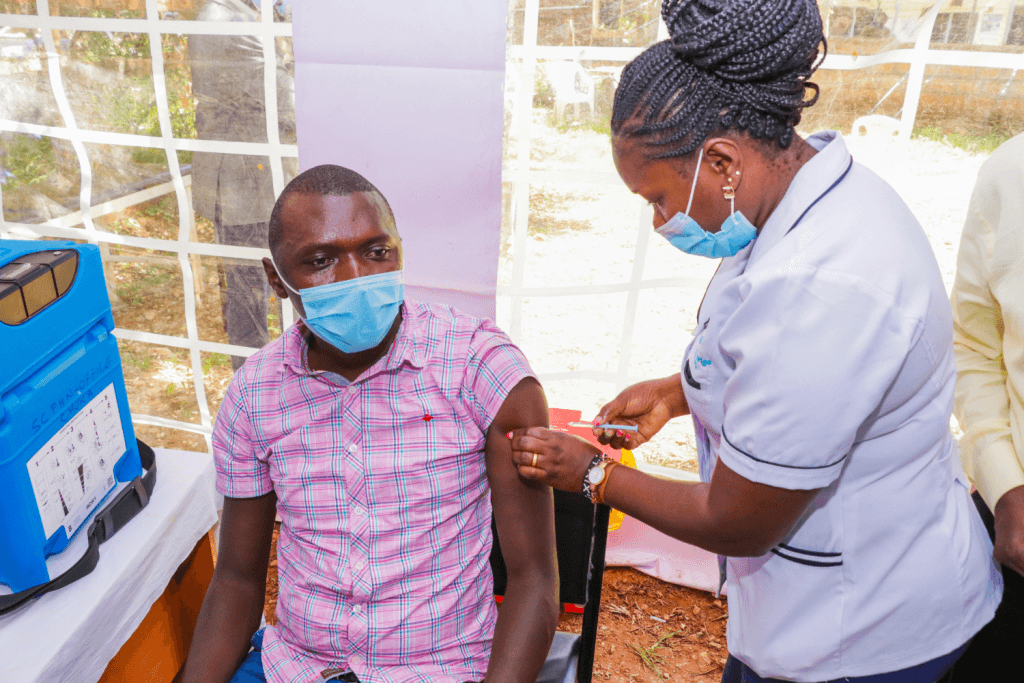
Hearing about an outbreak can raise concerns, but the best response is to stay informed rather than panic.
With reports of an Ebola case in Nigeria, it is important to understand what the disease is, how it spreads and, most importantly, the simple precautions that can help protect you and your loved ones.
What Is Ebola?
Ebola virus disease is a serious infection that can cause severe illness and, in some cases, death.
Common symptoms include fever, headache, body pain, weakness, vomiting and diarrhoea. Symptoms typically appear between 2 and 21 days after exposure.
However, having these symptoms does not automatically mean someone has Ebola. Other illnesses, including malaria, can cause similar signs. Therefore, anyone experiencing symptoms after possible exposure should seek medical advice promptly.
How Does Ebola Spread?
Ebola spreads mainly through direct contact with the blood or other bodily fluids of an infected person who is showing symptoms. It can also spread through contaminated objects, as well as contact with the body of someone who has died from the disease.
However, Ebola does not spread through the air like measles or ordinary respiratory infections. Understanding how the virus spreads can help you focus on the precautions that matter most.
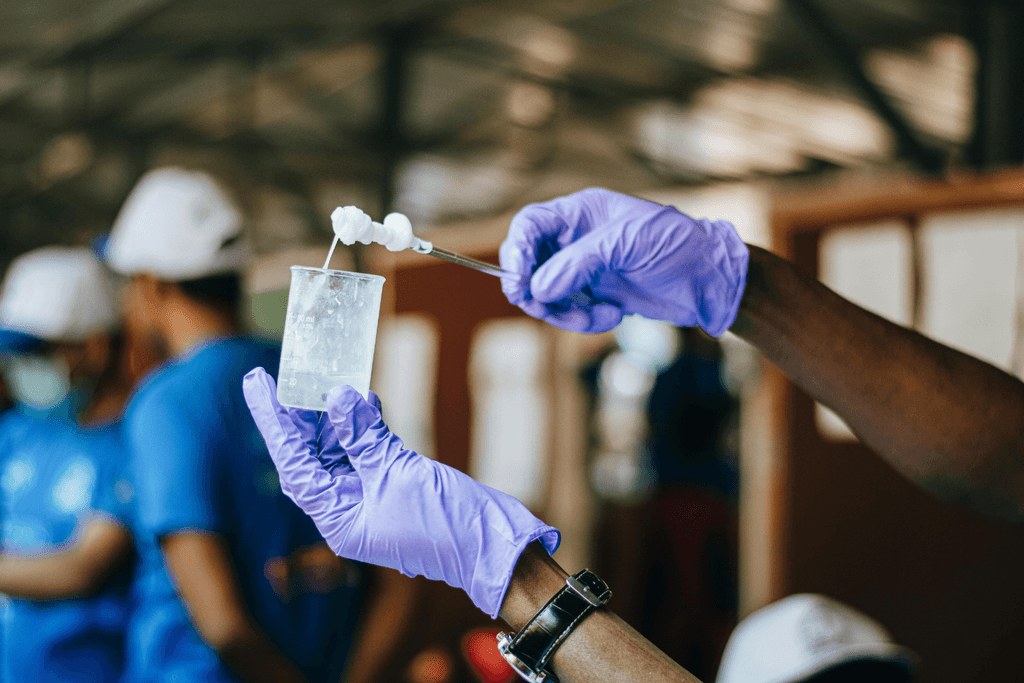
5 Ways to Protect Yourself
1. Wash your hands regularly. Use soap and running water, especially before eating and after using the toilet. Regular hand washing helps reduce the spread of many infections.
2. Avoid contact with bodily fluids. Never touch another person’s blood, vomit or other bodily fluids without appropriate protective equipment and training. If someone is seriously ill, seek professional medical guidance instead.
3. Practise safe caregiving. Caring for others requires caution, particularly during a suspected outbreak. Therefore, if Ebola is suspected, contact a healthcare professional and follow their instructions rather than attempting to provide hands-on care without proper protection.
4. Avoid handling dead wild animals. In addition, follow food-safety guidance and avoid raw or improperly prepared bush meat.
5. Get information from trusted sources. Meanwhile, avoid forwarding unverified messages or alarming social media posts. Instead, follow updates from the Nigeria Centre for Disease Control and Prevention (NCDC) and the World Health Organization (WHO).
What If You Suspect Exposure?
If you have been in direct contact with someone suspected or confirmed to have Ebola, contact a healthcare provider or public health authority promptly, even if you feel well.
Similarly, if you develop symptoms after possible exposure, explain your exposure history before arriving at a health facility and follow professional instructions. Do not attempt to diagnose or treat suspected Ebola at home.
Remember, fever alone does not mean you have Ebola. However, early medical assessment can help healthcare professionals determine the cause and provide appropriate care.
Let’s Keep Our Communities Informed
Public health protection starts with accurate information and responsible action. For example, sharing verified health updates can help people understand the risks without creating unnecessary fear.
It is equally important to avoid spreading rumours or stigmatising people based on where they have travelled or where they come from.
At CLI College Nigeria, we believe healthcare education goes beyond caring for others. It also means understanding how to protect yourself and your community.
For reliable updates, visit the NCDC website or the World Health Organization.
This article is for public education and does not replace professional medical advice or official public health guidance.
For more information about our programs contact us
